

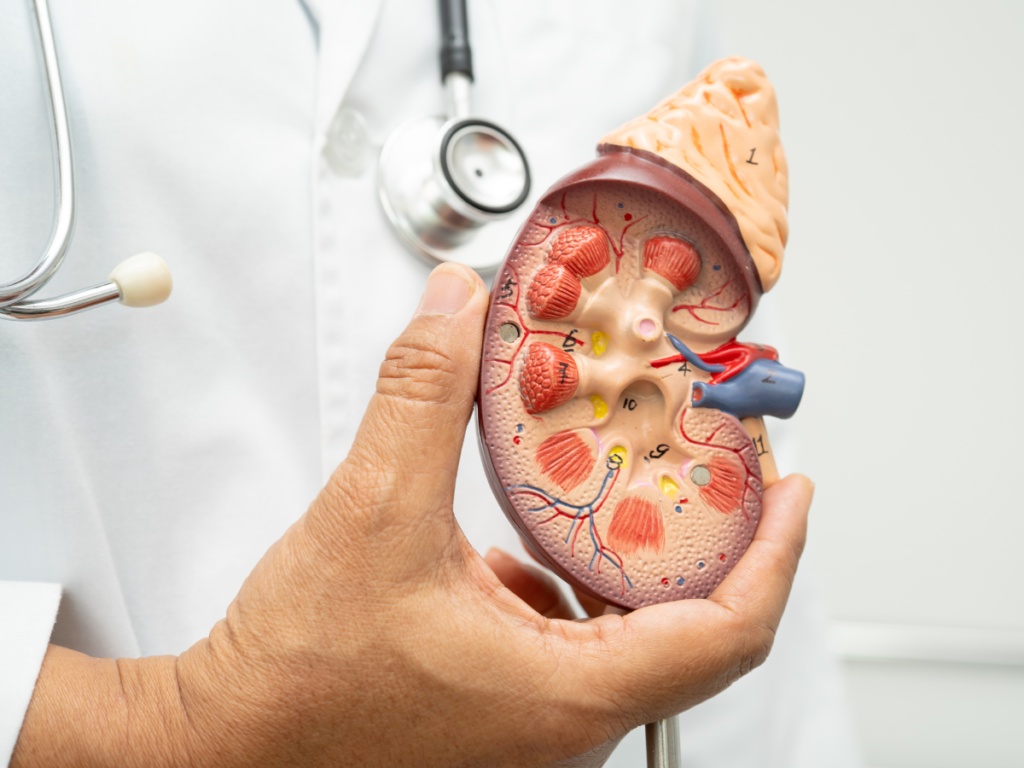
Kidney disease is one of the fastest-growing health challenges in India, especially in states like Haryana where diabetes, hypertension, and lifestyle-related factors are driving a sharp rise in chronic kidney disease (CKD) and end-stage renal disease (ESRD). For many families in Panipat, Rohtak, Karnal, Hisar, and nearby areas, the moment a loved one is advised long-term dialysis or a kidney transplant, the financial reality hits hard.
Dialysis sessions, medications, frequent hospital visits, erythropoietin injections, iron supplements, vascular access procedures, and eventual transplant surgery can easily cost ₹4–8 lakh in the first year alone — and often continue for many years. Without proper financial protection, families frequently face impossible choices: borrow large sums, sell assets, delay treatment, or stop dialysis altogether.
This is where a critical illness cover becomes one of the most important financial safety nets a person can have. In this article, we explain why critical illness insurance is especially valuable for people facing dialysis and kidney care, what these policies typically cover, how much sum insured is realistic in 2025–2026, common exclusions to watch out for, and how to choose the right plan so that money never becomes the reason someone cannot continue life-saving treatment.
Why Kidney Disease & Dialysis Are Considered Critical Illnesses
Most critical illness insurance policies in India include chronic kidney disease requiring regular dialysis or kidney failure as one of the covered conditions. The reason is simple:
- High ongoing cost — Unlike a one-time surgery, dialysis is usually lifelong (unless transplant is successful). Average cost per session in Panipat: ₹2,200–₹4,500. Three sessions per week = ₹26,000–₹54,000 per month.
- Long duration — Many patients remain on dialysis for 5–15+ years.
- Additional expenses — EPO injections (₹8,000–₹25,000/month), iron sucrose, phosphate binders, calcitriol, frequent blood tests, vascular access revision, hospital admissions for infections.
- Loss of income — The patient (and often the primary caregiver) cannot work full-time.
- Transplant option — Even with a transplant, lifelong immunosuppressants cost ₹8,000–₹20,000 per month.
Because of this prolonged, high-cost nature, almost every major insurer in India (Star Health, HDFC ERGO, Bajaj Allianz, Care Health, Niva Bupa, Aditya Birla, ManipalCigna, etc.) lists “chronic kidney disease requiring hemodialysis” or “end-stage renal failure” as a payable critical illness condition.
What a Critical Illness Cover Typically Pays for Kidney-Related Claims
Most policies pay a lump-sum amount (the full sum insured) upon diagnosis of chronic kidney disease requiring regular dialysis or kidney transplant. Key points to check:
- Waiting period — Usually 90 days from policy start (some have 30 days for accidental cases).
- Survival period — Most require the patient to survive 30 days after diagnosis for the claim to be payable.
- Dialysis trigger — Many policies pay only after the patient has been on dialysis for a specific period (e.g., 3–6 consecutive months). Read the wordings carefully.
- Transplant coverage — Some policies cover the cost of transplant surgery separately; others pay the lump sum on diagnosis of kidney failure.
- Sum insured — Common ranges in 2025–2026: ₹5 lakh to ₹1 crore. For dialysis families, ₹10–25 lakh is often recommended as a realistic minimum.
Real Costs of Dialysis & Kidney Care in Panipat (2025–2026 Estimates)
Understanding these numbers shows why a critical illness payout is so valuable:
- Single hemodialysis session: ₹2,200 – ₹4,500
- Monthly dialysis (12 sessions): ₹26,000 – ₹54,000
- Annual dialysis cost: ₹3.1 lakh – ₹6.5 lakh
- EPO + iron injections: ₹8,000 – ₹25,000 per month
- AV fistula creation: ₹18,000 – ₹45,000 (once every few years)
- Kidney transplant surgery: ₹4 lakh – ₹10 lakh (excluding donor-related costs)
- Post-transplant immunosuppressants: ₹8,000 – ₹20,000 per month lifelong
- Total first-year cost (dialysis route): ₹5–12 lakh+
- Ongoing annual cost: ₹4–8 lakh+
A ₹10–15 lakh critical illness payout can cover 1–3 years of dialysis or fund a large portion of transplant-related expenses.
Common Exclusions & Waiting Periods to Watch Out For
Not all policies are equal. Important clauses to read:
- Pre-existing disease waiting period — Usually 2–4 years for kidney-related conditions
- Specific waiting period for kidney failure — Some insurers have 1–2 years extra waiting for chronic kidney disease
- Dialysis duration clause — Some require 3–6 months continuous dialysis before payout
- Congenital kidney disease — Often excluded or has longer waiting period
- HIV/hepatitis-related kidney failure — Frequently excluded
Always compare 4–5 policies side-by-side and read the wordings (especially the “Critical Illness Definitions” section).
How to Choose the Right Critical Illness Cover for Kidney Protection
Look for these features:
- Shortest possible waiting period for chronic kidney disease
- Lowest survival period (preferably 30 days)
- Clear definition of “chronic kidney disease requiring regular dialysis”
- High sum insured (minimum ₹10 lakh, ideally ₹15–25 lakh)
- No co-payment clause
- Lifetime renewability
- Reputable insurer with fast claim settlement ratio (>95%)
- Option to include family members (spouse, parents)
Popular plans in 2025–2026 that offer good kidney coverage:
- Star Comprehensive / Star Criticare
- HDFC ERGO Optima Restore (with critical illness rider)
- Bajaj Allianz Critical Illness
- Care Supreme / Care Freedom
- Niva Bupa Health Companion
- Aditya Birla Activ Secure
Conclusion: Critical Illness Cover Is One of the Most Important Protections for Dialysis & Kidney Care
Chronic kidney disease and dialysis are among the most financially draining long-term medical conditions a family can face. A good critical illness insurance policy can provide a large lump-sum payout at the time of diagnosis or when dialysis begins — giving you the financial breathing room to focus on treatment instead of worrying about how to pay for the next session.
If you or someone in your family has diabetes, high blood pressure, a family history of kidney disease, or is already on dialysis, don’t wait. Adding a critical illness rider or buying a dedicated critical illness plan today can make the difference between continuing treatment comfortably or facing impossible choices later.
At Prime Hospital Panipat, our nephrology and urology teams not only provide excellent dialysis and kidney care — we also guide families on financial planning and insurance so that money never becomes a barrier to treatment.
If you need help understanding your insurance policy, choosing the right critical illness cover, or starting dialysis care in Panipat, reach out to us today. We’re here to support you and your family every step of the way.