

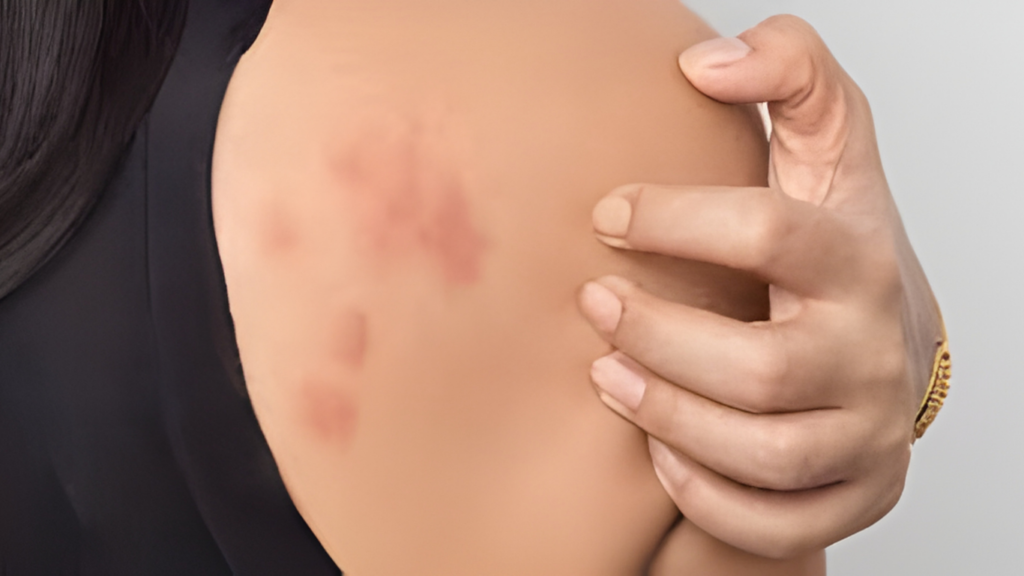
Ever felt your skin suddenly itch like crazy during a tense week? You scratch, and there they are—red, raised bumps that look angry and feel worse. Stress hives can sneak up on you when life gets overwhelming. They’re not just in your head; that emotional pressure can trigger real physical reactions on your skin.
Many people dismiss it as a random allergy or bug bite at first. But when the welts keep popping up during stressful times, it’s often stress playing the culprit. At Prime Hospital Panipat, we see this more often than you’d think—patients come in frustrated, itchy, and wondering why their body is betraying them.
Let’s break down what stress hives really are, why they happen, how to spot them, and—best of all—how to make them go away.
What Exactly Are Stress Hives?
Hives, or urticaria, are those itchy, raised welts that appear suddenly on the skin. They can be small dots or merge into bigger patches. Stress hives specifically refer to ones triggered by emotional or psychological stress.
Here’s the thing: your body doesn’t distinguish between a big deadline and a real threat. When stress hits, it releases hormones like cortisol. That ramps up inflammation and prompts your immune system to release histamine—a chemical that makes blood vessels leak a bit, forming those itchy welts.
It’s not always a full-blown allergy. Sometimes, stress just makes your skin more reactive. And honestly, it can feel like a vicious cycle: the hives make you more anxious, which makes the hives worse.
Common Symptoms: What Do They Feel Like?
Stress hives usually show up as red or skin-colored raised bumps. They might burn, sting, or itch intensely. You could notice:
- Welts that come and go quickly—often within hours or days.
- Swelling in spots like the face, lips, or eyelids (called angioedema if it’s deeper).
- Clusters on the arms, chest, neck, or back.
- Worse symptoms at night or when you’re tense.
Sometimes they’re tiny and scattered. Other times, they merge into large patches. Press on one, and the center might turn white—that’s a classic sign of hives. If they last over six weeks, doctors call them chronic urticaria, which stress can definitely fuel.
You know what’s tricky? They can mimic other rashes. But if they flare during stressful periods and fade when you relax, stress is likely involved.
Why Does Stress Cause Hives?
Stress isn’t just mental—it affects your whole body. When you’re under pressure, your nervous system kicks into overdrive. This boosts histamine release from mast cells in the skin. Histamine causes the itching, swelling, and redness.
It’s like your body is on high alert. Cortisol levels rise, inflammation increases, and suddenly your skin rebels. People with allergies, eczema, or autoimmune issues are more prone—stress can worsen those too.
Other factors can play a role: lack of sleep, poor diet, or even caffeine. But emotional stress is a big trigger. Major life changes—job loss, family issues, exams—often bring on outbreaks.
How Doctors Figure It Out
Diagnosis starts with your story. When did the hives start? Any recent stressors? Our team at Prime Hospital Panipat will ask about patterns and rule out other causes like food allergies, medications, or infections.
A physical exam checks the welts. Blood tests might screen for underlying issues like thyroid problems or autoimmune conditions. Allergy tests or skin biopsies are rare but useful in tricky cases.
The goal? Identify if stress is the main driver or if something else is contributing. Early insight prevents chronic issues.
Finding Relief: Treatment Options That Work
The good news: most stress hives improve quickly with simple steps.
For immediate itch relief:
- Over-the-counter antihistamines like cetirizine or loratadine block histamine.
- Cool compresses or oatmeal baths soothe the skin.
- Topical hydrocortisone cream reduces inflammation (use sparingly).
Avoid hot showers, tight clothes, or scratching—they make things worse.
Long-term, tackle the stress:
- Deep breathing, meditation, or yoga calm the nervous system.
- Regular exercise helps burn off tension.
- Good sleep and balanced meals support your body.
If hives persist, doctors might prescribe stronger antihistamines, short-term steroids, or other meds. In rare chronic cases, advanced treatments like biologics help.
Home strategies that help many:
- Stay hydrated.
- Avoid alcohol and spicy foods during flares.
- Wear loose, breathable clothes.
When to See a Doctor
Most cases fade in days. But head to a professional if:
- Hives last over a week.
- You get swelling in the mouth/throat or breathing trouble (emergency!).
- Symptoms disrupt sleep or daily life.
If you have diabetes, thyroid issues, or other conditions, get checked sooner.
Wrapping Up: Calm Your Mind, Cool Your Skin
Stress hives remind us how connected mind and body are. That burning itch doesn’t have to control you. With the right mix of symptom relief and stress management, you can break the cycle.
At Prime Hospital Panipat, our dermatology and internal medicine teams offer personalized care—because everyone deserves clear, comfortable skin. If stress is leaving marks on your body, reach out today at https://primehospitalpanipat.com/. Let’s work together to ease those welts and bring back some peace.