
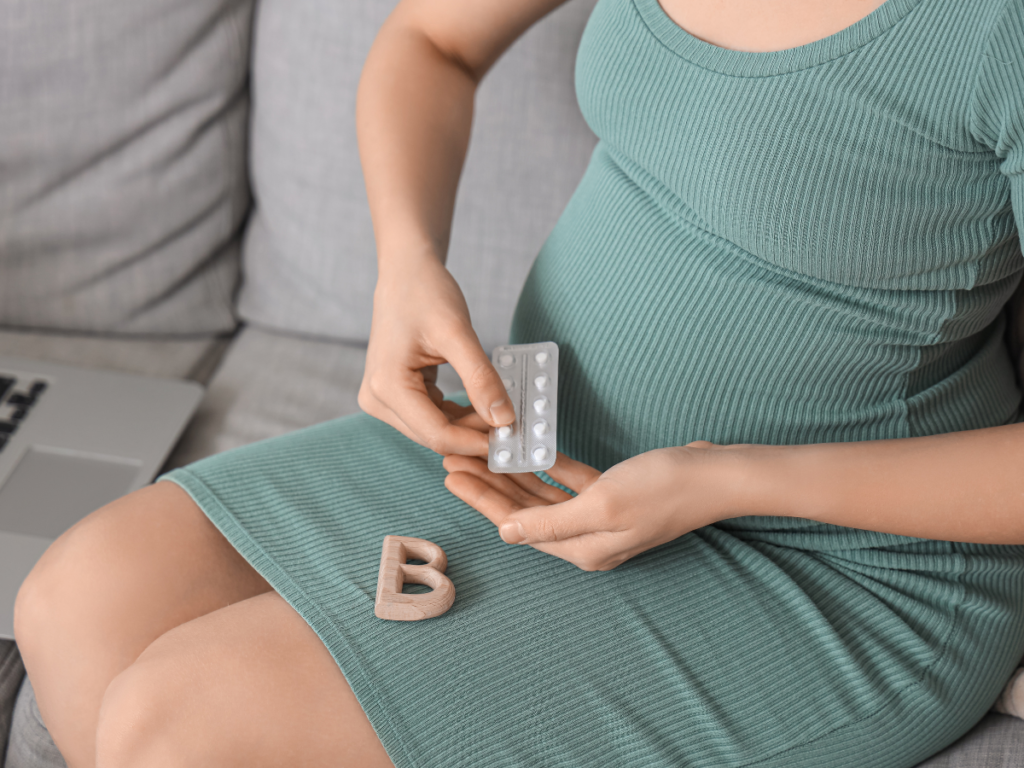
Deciding to stop taking the birth control pill is a big step—whether you’re planning to conceive, taking a break from hormones, or switching methods. One of the most common questions that comes up is about signs of ovulation after stopping the pill. Your body has been on synthetic hormones for months or years, so when they clear out, it can take time for your natural cycle to kick back in. The good news is that for most women, ovulation returns relatively quickly, and there are clear body signals that show it’s happening again.
At Prime Hospital Panipat, our gynecology team sees many women navigating this transition. Some ovulate within weeks of their last pill; others take a few months as hormones rebalance. In this detailed guide, we’ll cover how soon ovulation typically resumes, the key signs of ovulation after stopping the pill, why cycles can feel irregular at first, what to track, when to seek help if things feel off, and tips to support your body during this adjustment.
Signs of Ovulation After Stopping the Pill: The Classic Body Clues Return
Once your natural hormones take over again, ovulation signs are the same as they were before the pill (or very similar). The pill suppresses ovulation, so these signals may feel new or stronger when they reappear. Here are the most reliable ones:
1. Changes in Cervical Mucus This is often the earliest and most noticeable sign. As estrogen rises before ovulation, cervical mucus becomes clear, stretchy, and slippery—like raw egg whites. It helps sperm survive and travel to the egg.
- Before ovulation: Dry or sticky days.
- Approaching ovulation: Creamy or lotion-like.
- Peak fertility (ovulation day): Abundant, stretchy, slippery mucus. Many women notice this shift within 1–3 months after stopping the pill, sometimes even in the first cycle.
2. Rise in Basal Body Temperature (BBT) After ovulation, progesterone causes a slight temperature increase (0.5–1°F or 0.3–0.5°C) that stays elevated until your next period.
- Track BBT every morning before getting out of bed.
- A sustained rise for 3+ days confirms ovulation has occurred.
- Tools like apps or wearable trackers make this easier. This sign usually appears once cycles regulate (often 1–3 months post-pill).
3. Ovulation Pain (Mittelschmerz) A mild ache or twinge on one side of the lower abdomen (where the ovary is releasing the egg). It can feel like a cramp, sharp stab, or dull pressure.
- Lasts a few hours to 2 days.
- More noticeable after stopping the pill because cycles may be stronger or more irregular at first.
4. Increased Libido and Energy Many women report a surge in sex drive around ovulation due to higher estrogen and testosterone. You might feel more attractive, energetic, or “in the mood.”
- This can feel especially pronounced after the pill, where libido was sometimes suppressed.
5. Breast Tenderness or Sensitivity Progesterone rise post-ovulation can make breasts feel sore, full, or tingly.
- Often starts a few days after ovulation and lasts until your period.
6. Heightened Sense of Smell, Taste, or Mood Changes Some notice sharper senses or mood shifts (more positive or emotional) around ovulation.
- These are subtler but common.
7. Positive Ovulation Predictor Kit (OPK) OPKs detect the LH surge that triggers ovulation (24–36 hours before).
- A strong positive line means ovulation is imminent.
- Very helpful post-pill when cycles are unpredictable.
These signs usually become more consistent after 1–3 cycles as your body readjusts. Tracking multiple signs together gives the best picture.
How Soon Does Ovulation Return After Stopping the Pill?
Most women ovulate within 1–3 months after their last pill, but it varies.
- Combined pills (estrogen + progestin): Ovulation often resumes in the first 1–2 cycles (2–8 weeks). Some ovulate within days of stopping.
- Progestin-only pill (mini-pill): May ovulate sooner (even within 1–2 weeks) since it doesn’t always suppress ovulation completely.
- Average timeline: About 50% ovulate within 3–6 weeks; 80–90% within 3 months. A small percentage take 6+ months (post-pill amenorrhea).
Factors that influence timing:
- How long you were on the pill (longer use sometimes delays return).
- Your age (younger women rebound faster).
- Pre-pill cycle regularity (irregular cycles before may take longer).
- Overall health, stress, weight, and nutrition.
You can get pregnant immediately after stopping—even before your first period—if ovulation happens early. Use backup contraception if not trying to conceive.
What to Expect in the First Few Cycles After Stopping the Pill
The transition isn’t always smooth—your body is relearning its natural rhythm.
- Irregular cycles — Periods may be early, late, heavy, light, or absent for a few months.
- Longer or shorter cycles — First cycle often longer (30–40+ days).
- Heavier or more painful periods — The pill often lightened cramps/flow; natural cycles can feel stronger.
- Acne, mood swings, or PMS — Hormones fluctuate more without suppression.
- No period (post-pill amenorrhea) — If no bleed after 3–6 months, see a doctor (rule out pregnancy, PCOS, thyroid issues).
These changes are normal as estrogen, progesterone, and LH/FSH rebalance.
How to Track Ovulation After Stopping the Pill
Tracking helps you spot signs of ovulation after stopping the pill and understand your new cycle.
- Apps — Flo, Clue, Natural Cycles, or Ovia log symptoms, mucus, BBT, and OPKs.
- OPKs — Test daily mid-cycle (around day 10–18) for LH surge.
- BBT charting — Morning temperature rise confirms ovulation.
- Cervical mucus — Check daily for changes.
- Symptom journal — Note libido, energy, pain, mood.
Start tracking right after your last pill—even if cycles are irregular at first.
When to See a Doctor About Ovulation After Stopping the Pill
Most transitions are smooth, but consult a gynecologist if:
- No period after 3–6 months (post-pill amenorrhea).
- No ovulation signs after 3–6 months (persistent anovulation).
- Severe symptoms (heavy bleeding, intense pain, extreme mood changes).
- Irregular cycles lasting >6–12 months.
- Difficulty conceiving after 6–12 months (depending on age).
- Suspect underlying issues (PCOS, thyroid, high prolactin).
Blood tests (hormones, thyroid, prolactin) and ultrasound can help diagnose and guide treatment.
Supporting Your Body During the Transition
Help your hormones rebalance naturally:
- Balanced diet (protein, healthy fats, complex carbs, plenty of veggies).
- Manage stress (yoga, meditation, sleep).
- Regular exercise (moderate, not excessive).
- Supplements if needed (vitamin D, omega-3s, inositol for PCOS—consult doctor).
- Avoid endocrine disruptors (plastics, certain cosmetics).
Patience is key—your body usually finds its rhythm within months.
Conclusion: Recognizing Signs of Ovulation After Stopping the Pill Is Empowering
Signs of ovulation after stopping the pill—like stretchy cervical mucus, BBT rise, mittelschmerz, libido boost, and breast changes—start reappearing as your natural cycle resumes, often within 1–3 months for most women. The first few cycles may feel unpredictable, but tracking helps you understand your body’s new normal.
If you’re trying to conceive, these signs guide your fertile window. If avoiding pregnancy, use backup contraception until you’re confident in your cycle. Most women see regular ovulation return without issues, and fertility is unaffected long-term.
At Prime Hospital Panipat, our gynecology team offers cycle tracking advice, hormone testing, and support for anyone transitioning off the pill. Whether you’re planning a family or just want to understand your body better, reach out—we’re here to help.