

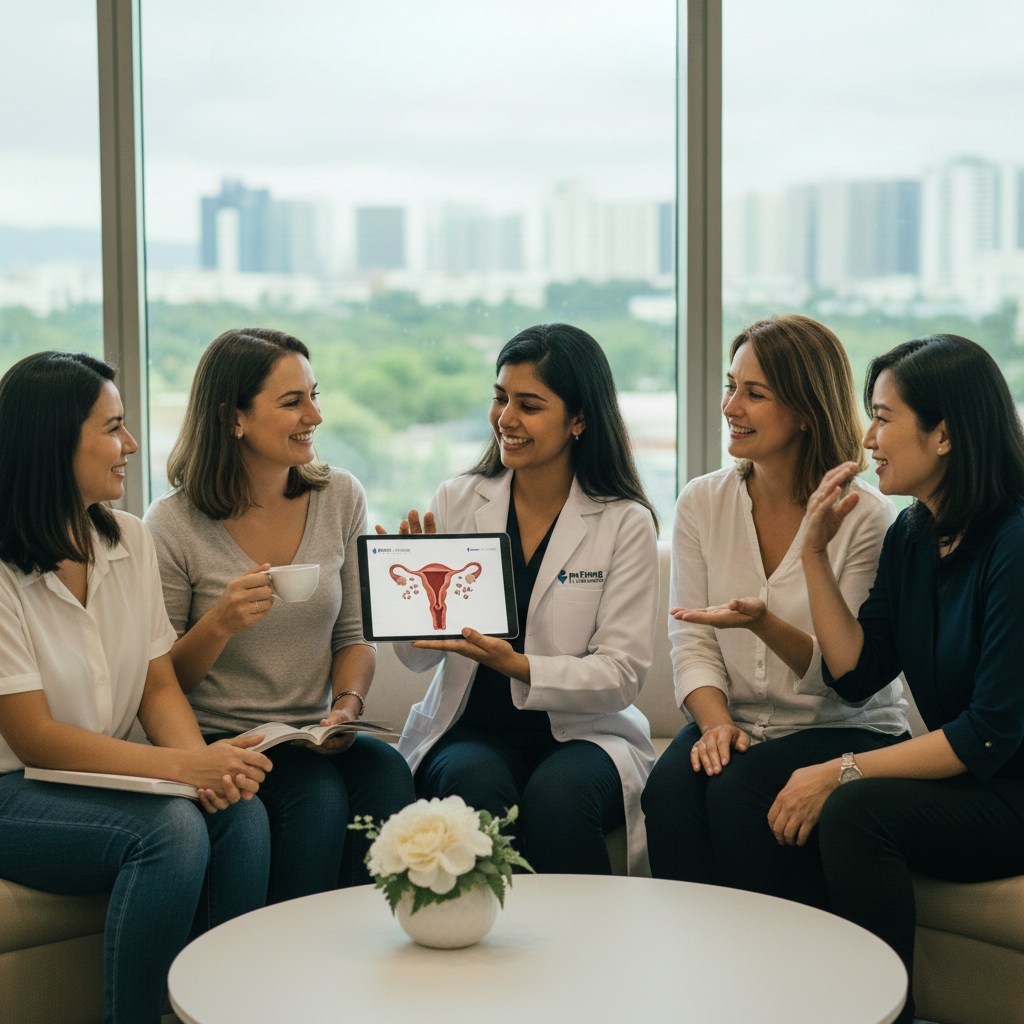
Have you ever felt like your body is betraying you? Heavy periods that drag on for days, pelvic pain that makes even simple tasks feel exhausting, or that constant pressure like something’s just not right down there. You’re not alone. Millions of women deal with uterine fibroids – those benign growths in the uterus that can turn everyday life into a struggle. The good news? You don’t have to jump straight to surgery anymore. There are modern, non-surgical ways to manage fibroids that are safer, less invasive, and let you get back to feeling like yourself faster.
Honestly, fibroids are incredibly common – up to 80% of women might have them by age 50. But only some experience symptoms bad enough to need treatment. Things like heavy bleeding leading to anemia, bloating, frequent bathroom trips, or even fertility challenges. If that’s you, wondering about options beyond a hysterectomy, keep reading. We’ll talk about what’s available today, how they work, and why they’re changing the game for so many women.
Understanding Uterine Fibroids: Why They Happen and How They Affect You
Fibroids, or leiomyomas if we’re getting technical, are basically muscle tumors in the uterine wall. They’re almost always non-cancerous, but boy, can they cause trouble. They feed on hormones like estrogen, which is why they often shrink after menopause. But before that? They can grow in size, number, and location – inside the cavity, in the wall, or even on the outside.
You know what surprises a lot of people? Not all fibroids cause issues. Some women have them and never know. Others aren’t so lucky. Heavy menstrual bleeding is the big one – soaking through pads or tampons hourly, sometimes with clots that scare you half to death. Then there’s the pain: cramps that feel like labor, backaches, or pressure that makes sitting uncomfortable. And let’s not forget the bathroom urgency or bloating that has you avoiding fitted clothes.
Here’s the thing – fibroids don’t just affect your body; they mess with your life. Missing work, skipping social events, feeling tired all the time from low iron. It’s exhausting. But treatments have come a long way. No more assuming surgery is the only answer.
Why Avoid Surgery If You Can? The Shift Toward Non-Surgical Fibroid Treatments
Surgery used to be the go-to: myomectomy to remove fibroids or hysterectomy to take out the whole uterus. Effective? Sure. But recovery can be tough – weeks off your feet, risks like infection or scarring, and for hysterectomy, no more periods but also no more pregnancies.
These days, doctors push less invasive options first. Why? Shorter recovery, fewer complications, and you keep your uterus if fertility matters. Plus, many women just want to avoid major surgery altogether. It’s about quality of life.
At places like Prime Hospital Panipat, with their strong obstetrics and gynecology team, they’re all about personalized care for women’s health issues, including fibroid management. They focus on affordable, ethical treatments in a comfortable setting.
Medications: A Gentle First Step in Managing Fibroid Symptoms
Sometimes, the simplest approach works wonders. Medications won’t make fibroids disappear, but they can ease symptoms big time.
Over-the-counter pain relievers like ibuprofen help with cramps and reduce bleeding. For heavier flow, tranexamic acid taken during your period can cut blood loss significantly.
Then there are hormonal options. Birth control pills or hormonal IUDs (like Mirena) regulate cycles and lighten periods. They’re great if you’re not trying to conceive right now.
Newer meds are game-changers. GnRH antagonists, like relugolix (Myfembree or Oriahnn), shrink fibroids and slash heavy bleeding by 50-75%. They mimic menopause temporarily but add back a bit of estrogen to avoid hot flashes. Perfect for bridging to menopause or pre-surgery prep.
These aren’t forever solutions – fibroids might grow back when you stop – but they buy time and relief without incisions.
Uterine Fibroid Embolization (UFE): Starving Fibroids Without a Scalpel
Imagine cutting off the food supply to fibroids so they shrink on their own. That’s UFE.
An interventional radiologist threads a tiny catheter through a small groin nick, guides it to uterine arteries using X-ray, and injects particles to block blood flow. Fibroids starve and shrink – often by 30-50% in months.
Benefits? Outpatient or one-night stay, back to normal in a week. Symptoms improve for 90% of women: less bleeding, reduced pain, smaller belly bulge. It’s uterus-sparing, so fertility possible (though discuss with your doc).
Risks are low – some cramping or flu-like symptoms post-procedure (post-embolization syndrome), managed with meds. Rare complications like infection.
UFE’s been around over 20 years, with solid long-term results. Many women say it’s life-changing.
MRI-Guided Focused Ultrasound: Zapping Fibroids with Precision Heat
This one’s pretty futuristic. You lie in an MRI machine while high-intensity ultrasound waves target fibroids, heating them to destroy tissue – all without touching your skin.
It’s completely non-invasive. No cuts, no radiation beyond the MRI. Sessions last a few hours, outpatient.
Best for certain fibroid types and locations. Shrinks them, eases symptoms quickly for many. Recovery? Minimal – maybe some cramping, back to routine soon.
Drawbacks: Not everywhere offers it, and not ideal for very large or multiple fibroids. Long-term data is growing, but early results are promising.
Other Emerging Options Worth Knowing About
Radiofrequency ablation (like Acessa) uses laparoscopic heat to shrink individual fibroids. Minimally invasive, preserves uterus.
Endometrial ablation destroys the uterine lining for heavy bleeding, but it’s not great for large fibroids – more for lining issues.
Your doctor picks based on fibroid size, location, symptoms, and family plans.
Is Non-Surgical Treatment Right for You?
Not every option fits everyone. If fibroids are huge or causing severe issues, surgery might still be best. But for most? These modern approaches offer real hope.
Think about what you want: symptom relief now, fertility later, quick recovery. Talk openly with a gynecologist experienced in fibroids.
At Prime Hospital Panipat, their OB/GYN specialists, like Dr. Neha, handle a range of women’s disorders with care and expertise. They prioritize hygiene, patient comfort, and effective treatments.
Frequently Asked Questions About Non-Surgical Fibroid Treatments
Can fibroids go away without any treatment? Sometimes, especially after menopause when hormones drop. But if symptoms bother you, waiting might not be ideal.
Do non-surgical options affect fertility? It varies. Meds are temporary. UFE and focused ultrasound preserve the uterus but carry some risks – discuss if pregnancy’s in your plans.
How long do results last? Many women get years of relief, but fibroids can regrow. Follow-ups help monitor.
Are these treatments painful? Most involve mild discomfort, managed well. Nothing like surgical recovery.
What if non-surgical doesn’t work? You can always move to surgery later. Starting conservative often makes sense.
Is it safe to delay treatment? For mild symptoms, yes. But heavy bleeding causing anemia? Better to address sooner.
Wrapping It Up: Hope and Choices for Fibroid Sufferers
Dealing with fibroids can feel overwhelming, but today’s options mean you have real choices. From pills that tame symptoms to procedures that shrink growths without major surgery – relief is possible, and often quicker than you think.
You’re not stuck with outdated solutions. Modern treatments focus on safety, effectiveness, and keeping your life intact.
If symptoms are weighing you down, reach out for a consultation. Early action can make all the difference.
At Prime Hospital Panipat, they’re dedicated to women’s health with experienced specialists ready to guide you. Contact them today:
Phone/WhatsApp: +91 9416177618 Location: Panipat, Haryana Website: https://primehospitalpanipat.com/
Take that step – you deserve to feel better.