
Fatty liver disease — once considered rare — is now one of the most common liver conditions in India, especially in urban and semi-urban areas like Panipat, Rohtak, Karnal, Hisar, Samalkha, and surrounding regions of Haryana. Many people discover it accidentally during a routine ultrasound or blood test and wonder: “How serious is this?” “What are the warning signs I should watch for?” and “Can it be reversed before it gets worse?”
At Prime Hospital Panipat, our hepatology and gastroenterology team has been helping thousands of patients from Panipat and nearby districts recognize, manage, and often reverse fatty liver disease. Early detection is the single most important factor in preventing progression to inflammation (NASH), fibrosis, cirrhosis, or liver cancer.
In this comprehensive guide, we explain the early and advanced signs of fatty liver, why it’s often called a “silent disease,” who is most at risk in Haryana, how to spot red flags, when to see a liver specialist, diagnostic steps, and the realistic ways to reverse or stabilize the condition before it becomes irreversible.
What Is Fatty Liver and Why Is It Called a Silent Disease?
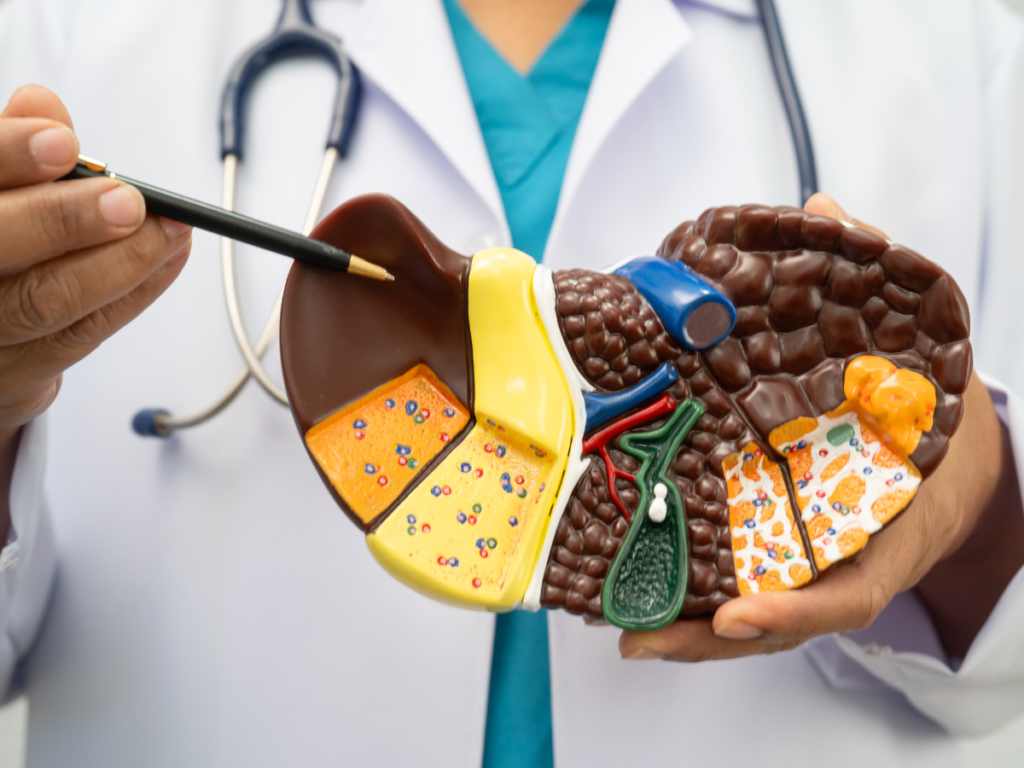
Fatty liver (hepatic steatosis) occurs when excess fat accumulates inside liver cells — more than 5–10% of the liver’s weight. There are two main types:
- Non-Alcoholic Fatty Liver Disease (NAFLD) — Caused by metabolic factors (obesity, diabetes, insulin resistance) — the dominant form in India today.
- Alcoholic Fatty Liver Disease (AFLD) — Caused by heavy, regular alcohol use.
In its early stage (simple steatosis), fatty liver produces very few or no symptoms — that’s why it’s often discovered late during routine check-ups or unrelated investigations. By the time noticeable symptoms appear, inflammation (NASH), scarring (fibrosis), or even cirrhosis may already be present.
Early Signs of Fatty Liver — Subtle Clues You Should Never Ignore
Most people with early fatty liver feel completely normal. However, some notice these mild but recurring signs:
- Persistent fatigue or low energy (even after adequate sleep)
- Dull, vague discomfort or heaviness in the right upper abdomen (under the ribs)
- Feeling “full” quickly while eating (early satiety)
- Unexplained mild weight gain or difficulty losing weight despite efforts
- Dark patches on the neck, armpits, or knuckles (acanthosis nigricans) — a strong sign of insulin resistance
- Frequent bloating or indigestion after meals
These symptoms are often dismissed as “gas,” “stress,” or “ageing,” but they are early warning signals that the liver is under strain.
Advanced Signs of Fatty Liver — When the Disease Has Progressed
When fatty liver advances to NASH (non-alcoholic steatohepatitis) or fibrosis/cirrhosis, symptoms become more obvious and concerning:
- Moderate to severe fatigue that interferes with daily activities
- Pain or tenderness in the upper right abdomen
- Enlarged liver (hepatomegaly) that can be felt during examination
- Yellowing of skin and eyes (jaundice) — usually late-stage
- Swelling in legs (edema) or abdomen (ascites)
- Easy bruising or bleeding (due to reduced clotting factors)
- Spider-like blood vessels on chest/upper body
- Confusion, memory issues, or personality changes (hepatic encephalopathy)
- Dark urine and pale/clay-colored stools
If you notice any of these advanced signs, seek immediate evaluation from a liver specialist.
Who Is Most at Risk of Fatty Liver in Panipat and Haryana?
Certain factors dramatically increase your chances of developing fatty liver:
- Overweight or obesity (especially abdominal/belly fat)
- Type 2 diabetes or prediabetes
- High blood pressure
- High triglycerides / low HDL cholesterol
- Sedentary lifestyle (desk jobs, limited exercise)
- High-carbohydrate, high-sugar diet (refined flour, sweets, sugary drinks, fried foods)
- Metabolic syndrome (combination of above factors)
- Hypothyroidism
- Polycystic ovary syndrome (PCOS) in women
- Long-term use of certain medicines (steroids, tamoxifen, methotrexate)
- Obstructive sleep apnea (common and underdiagnosed)
- Family history of fatty liver or diabetes
In Haryana, rising obesity, diabetes prevalence, and dietary patterns (high roti/rice intake, sweets during festivals) make fatty liver increasingly common even in younger adults.
How Fatty Liver Is Diagnosed — Tests You May Need
Diagnosis is usually straightforward and non-invasive:
- Liver function tests (LFT) — Mildly elevated ALT/AST (ALT often > AST in NAFLD)
- Ultrasound abdomen — Classic “bright liver” appearance (most common first test)
- FibroScan — Measures liver fat (CAP score) and stiffness (fibrosis stage) — quick, painless, no radiation
- Blood tests — HbA1c, lipid profile, HOMA-IR (insulin resistance), viral hepatitis markers
- MRI-PDFF (if available) — Most accurate for fat quantification
- Liver biopsy — Rarely needed now, only when diagnosis unclear or high suspicion of NASH/cirrhosis
At Prime Hospital Panipat, we offer FibroScan and complete liver screening packages for early detection.
Can Fatty Liver Be Reversed? Realistic Expectations
Yes — simple fatty liver (steatosis only) is highly reversible. Early NASH with mild fibrosis can often be improved or stabilized. Advanced cirrhosis is generally irreversible, but progression can be slowed.
Proven reversal timelines with good compliance:
- 3–6 months — 20–50% reduction in liver fat
- 6–12 months — Normalization of liver enzymes in many cases
- 12–24 months — Improvement in fibrosis stage (F2 → F1 or F0 in some)
The single biggest factor: 7–10% body weight loss through diet and exercise.
How to Reverse Fatty Liver — Evidence-Based Steps
- Weight loss — Aim for 0.5–1 kg per week (7–10% total is the target)
- Diet — Low refined carb, moderate protein, healthy fats:
- Reduce: White rice, maida, sweets, sugary drinks, fried foods
- Increase: Vegetables, dal, paneer, eggs, fish, chicken, nuts, seeds, olive/mustard oil
- Exercise — 150–300 min/week moderate aerobic + strength training 2–3 times/week
- Alcohol — Complete avoidance in NAFLD; strict limit in AFLD
- Control diabetes, BP, and lipids
- Medications (when prescribed):
- Pioglitazone
- Vitamin E (800 IU/day for non-diabetic NASH)
- Saroglitazar (approved in India)
- GLP-1 agonists (semaglutide, tirzepatide) — very promising for liver fat reduction
Conclusion: Fatty Liver Is Reversible — Choose a Trusted Liver Specialist in Panipat
Fatty liver is no longer a rare or “mild” condition — it is one of the leading causes of liver disease in India and can progress silently to inflammation, fibrosis, cirrhosis, and even liver cancer if ignored. The most important message is that early-stage fatty liver is highly reversible with weight loss, healthy eating, regular exercise, and — when needed — targeted medications.
If you’ve been told you have fatty liver on ultrasound, have elevated liver enzymes, or are worried about your liver health, don’t delay. The right guidance from a trusted liver specialist can help you reverse the condition and protect your long-term health.
At Prime Hospital Panipat, our hepatology and gastroenterology team provides comprehensive evaluation (blood tests, FibroScan, personalized diet plans), modern treatments, and ongoing support so you can take control of your liver health.
If you’re searching for expert care for fatty liver in Panipat or nearby areas, reach out today. Early action gives the best results — and most people can get their liver back to healthy with the right plan.