
Fatty liver—also known as hepatic steatosis—is now one of the most common liver conditions worldwide, and it’s rising rapidly in India, especially in urban areas like Delhi, Haryana, Punjab, and Uttar Pradesh. Many people discover it accidentally during a routine ultrasound or blood test and wonder: “Is it serious? Can it be reversed? What should I do next?”
At Prime Hospital Panipat, our gastroenterology and hepatology teams diagnose and manage fatty liver disease almost daily. The encouraging truth is that in most early-stage cases—especially non-alcoholic fatty liver disease (NAFLD)—it is reversible with lifestyle changes, and even advanced stages (NASH with fibrosis) can often be stabilized or improved.
In this comprehensive guide, we’ll cover everything you need to know about fatty liver in 2025–2026: what it is, why it’s becoming so common in India, the difference between simple fatty liver and dangerous NASH, clear symptoms, accurate diagnosis methods, latest treatment options, realistic reversal timelines, diet & lifestyle plans that actually work, costs in Haryana/NCR, and when to worry about progression to cirrhosis.
What Is Fatty Liver? Simple Explanation
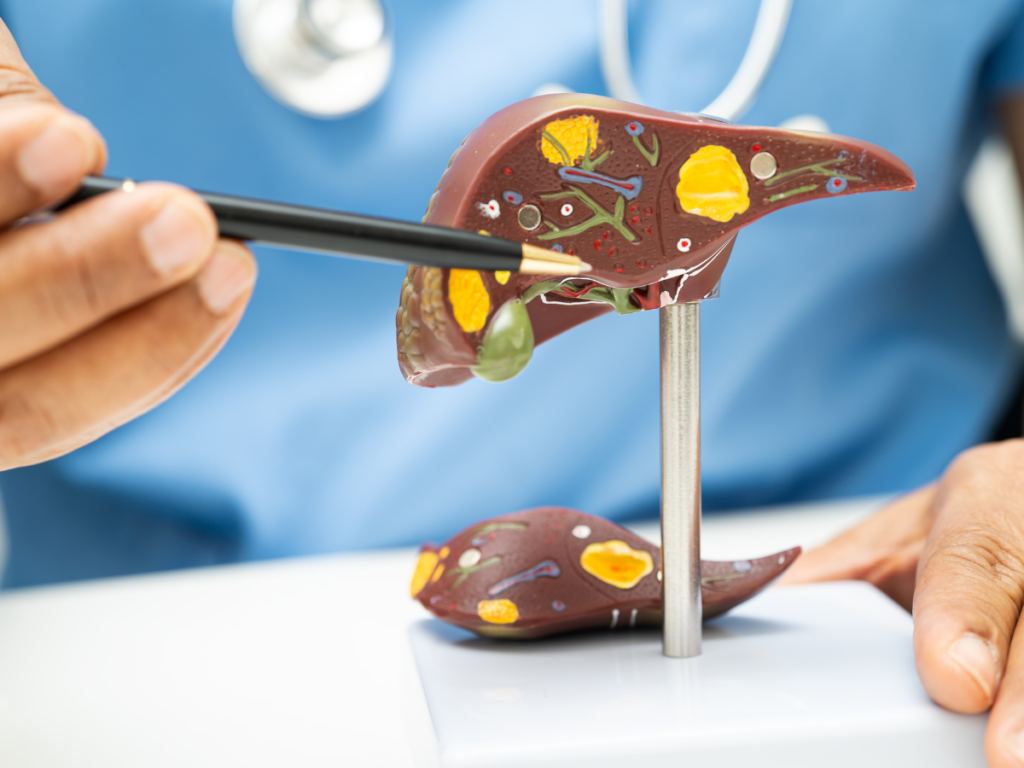
Fatty liver occurs when excess fat builds up inside liver cells (hepatocytes). Normally, the liver contains very little fat (<5% of its weight). When fat exceeds 5–10%, it’s called steatosis.
There are two main types:
- Non-Alcoholic Fatty Liver Disease (NAFLD)
- Most common type in India today
- Not caused by alcohol
- Ranges from simple steatosis (fat only) to NASH (fat + inflammation + liver cell injury)
- Alcoholic Fatty Liver Disease (AFLD)
- Caused by heavy, regular alcohol consumption
- Can progress to alcoholic hepatitis and cirrhosis
In India, NAFLD now affects an estimated 25–40% of adults (higher in cities and among people with diabetes/obesity), while AFLD remains significant among chronic drinkers.
Why Is Fatty Liver So Common in India Right Now?
Several factors have caused a dramatic rise over the last 15–20 years:
- Rapid increase in obesity and central (abdominal) obesity
- High rates of type 2 diabetes and insulin resistance (India is the “diabetes capital”)
- Sedentary lifestyle (desk jobs, screen time, less physical activity)
- High-carbohydrate, high-sugar diets (refined rice, roti, sweets, sugary drinks, fried snacks)
- Rising metabolic syndrome (obesity + high BP + high triglycerides + low HDL + high blood sugar)
- Genetic predisposition (South Asians tend to store more visceral fat at lower BMI)
- Certain medications (steroids, tamoxifen, methotrexate, some anti-retrovirals)
- Obstructive sleep apnea (common and underdiagnosed)
Signs and Symptoms of Fatty Liver: What Most People Notice
Early fatty liver is often silent—many people feel completely normal. That’s why it’s frequently found incidentally during ultrasound or blood tests.
Common symptoms (appear when disease progresses to NASH or beyond):
- Persistent fatigue / low energy (most frequent complaint)
- Dull ache or heaviness in the right upper abdomen
- Unexplained weight gain or difficulty losing weight
- Mild nausea or loss of appetite
- Enlarged liver (felt on examination)
- Dark patches on neck / armpits (acanthosis nigricans) — sign of insulin resistance
Advanced stages (cirrhosis or liver failure):
- Jaundice (yellow skin/eyes)
- Swelling in legs/abdomen (ascites)
- Easy bruising/bleeding
- Confusion (hepatic encephalopathy)
Most patients with simple fatty liver have no symptoms or only fatigue.
How Is Fatty Liver Diagnosed in India?
Diagnosis usually involves a combination of:
- Blood Tests
- Liver enzymes (ALT, AST) — often mildly elevated (ALT > AST in NAFLD)
- GGT, ALP (may be raised)
- Fasting lipid profile, HbA1c, fasting insulin/HOMA-IR
- Fib-4 score, NAFLD Fibrosis Score, APRI (non-invasive fibrosis markers)
- Ultrasound Abdomen
- Most common first test — shows “bright” (echogenic) liver
- Cannot distinguish simple steatosis from NASH or fibrosis
- FibroScan (Transient Elastography)
- Measures liver stiffness (fibrosis) and fat content (CAP score)
- Widely available in good hospitals; quick, painless, no radiation
- Very useful for staging
- MRI-PDFF or MR Elastography (if available)
- Gold standard for fat quantification and fibrosis
- Liver Biopsy
- Only when diagnosis unclear or high suspicion of NASH/cirrhosis
- Done rarely now due to non-invasive alternatives
Can Fatty Liver Be Reversed? Realistic Timelines and Expectations
Yes — simple fatty liver (steatosis only) is highly reversible. NASH with early fibrosis can often be significantly improved or stabilized. Cirrhosis is generally irreversible, but progression can be slowed and complications managed.
Typical reversal timelines with good compliance:
- 3–6 months — Significant reduction in liver fat (20–50% drop on FibroScan CAP score)
- 6–12 months — Normalization of liver enzymes in many cases
- 12–24 months — Improvement in fibrosis stage (F2 → F1 or F0 in some patients)
- Weight loss of 7–10% body weight is the strongest predictor of improvement
Best Evidence-Based Treatments for Fatty Liver in 2025–2026
- Lifestyle Is the Cornerstone (Most Important)
- Weight loss — 7–10% reduction is the single most effective treatment
- Diet — Mediterranean-style or Indian-modified low-carb: reduce refined carbs (white rice, maida, sweets, sugary drinks), increase vegetables, protein (dal, paneer, eggs, chicken, fish), healthy fats (nuts, seeds, olive oil, mustard oil), fiber
- Exercise — 150–300 min/week moderate aerobic + resistance training 2–3 times/week
- Alcohol — Complete avoidance in NAFLD; strict limit (<20 g/day women, <30 g/day men) in AFLD
- Medications (2025–2026 Update)
- Pioglitazone — Improves NASH histology (used in selected patients)
- Vitamin E — 800 IU/day for non-diabetic NASH (improves inflammation)
- GLP-1 receptor agonists (semaglutide, liraglutide, tirzepatide) — Very promising; significant fat reduction and fibrosis improvement in trials
- Resmetirom — First FDA-approved NASH drug (2024); liver-specific thyroid hormone receptor agonist; available in India 2025–2026
- Saroglitazar — PPAR agonist; approved in India for diabetic dyslipidemia and NASH
- Monitoring & Follow-Up
- Repeat LFT + FibroScan every 6–12 months
- Annual screening for diabetes, lipids, blood pressure
Fatty Liver Costs in Haryana/NCR (2026 Estimates)
- Consultation + blood tests + ultrasound: ₹1,500–₹4,000
- FibroScan: ₹2,500–₹6,000
- Lifestyle program (dietitian + follow-up): ₹5,000–₹15,000
- Medications (monthly): ₹500–₹5,000 (depending on drug)
- GLP-1 injections (if prescribed): ₹8,000–₹25,000/month
Conclusion: Fatty Liver Is Common, but Reversible in Most Cases
Fatty liver is no longer a rare condition—it’s now one of the leading causes of liver disease in India, driven by obesity, diabetes, and lifestyle changes. The most important message is that early-stage fatty liver is highly reversible with weight loss, healthy eating, regular exercise, and—when needed—modern medications.
If you’ve been told you have fatty liver on ultrasound, don’t panic—but don’t ignore it either. Simple steatosis can progress to NASH, fibrosis, cirrhosis, and liver cancer if left unchecked.
At Prime Hospital Panipat, our liver specialists provide comprehensive evaluation (blood tests, FibroScan, personalized diet plans), latest treatments (including GLP-1 agonists and emerging drugs), and long-term monitoring so you can reverse fatty liver and protect your health.
If you’re worried about fatty liver, abnormal LFTs, or want to know your risk, reach out today. Early action gives the best results—and most people can get their liver back to healthy.