

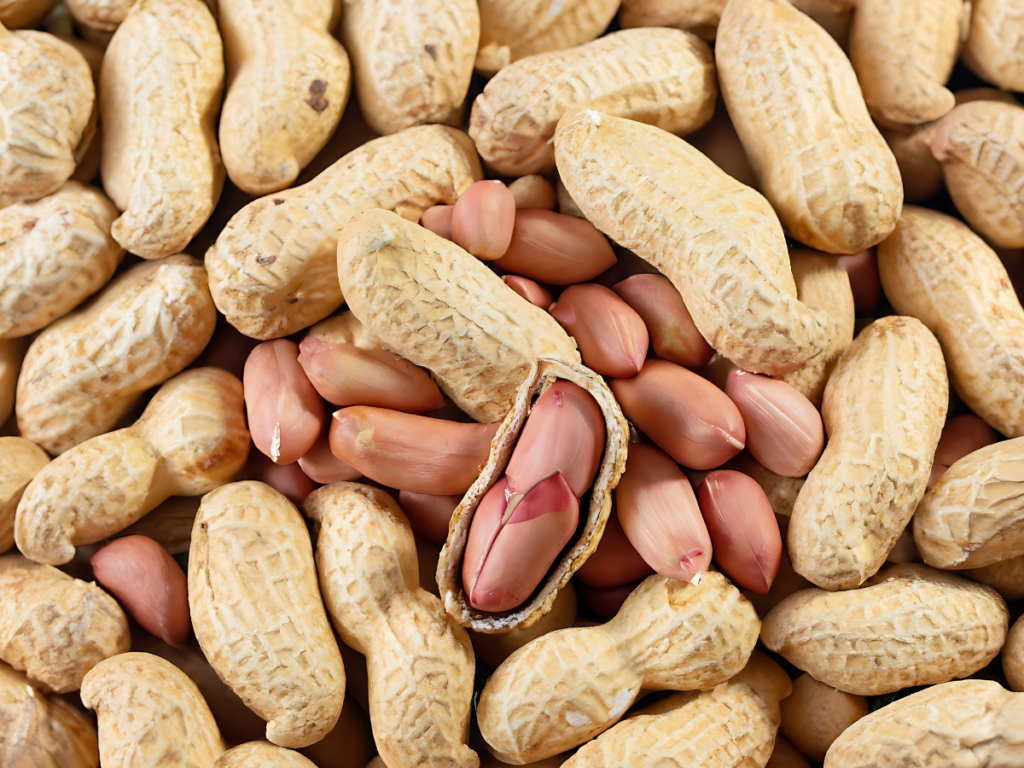
Boiled peanuts are a popular, nutritious snack enjoyed across India, especially in regions like Haryana, Delhi, Punjab, and South India during monsoon and winter seasons. Whether you buy them from street vendors, make them at home, or enjoy them as a healthy munch, many people want accurate boiled peanut nutrition information to understand what they’re actually eating.
At Prime Hospital Panipat, our nutrition and dietetics team frequently gets questions about boiled peanuts—especially from patients managing diabetes, weight, heart health, or pregnancy. The good news? Boiled peanuts are nutrient-dense, affordable, and offer several health benefits when eaten in moderation.
In this complete guide, we’ll break down the detailed boiled peanuts nutrition information per 100 grams, compare them to roasted peanuts, explain key vitamins and minerals, highlight health benefits and potential downsides, and give practical serving suggestions for Indian diets.
boiled Peanuts Nutrition Information: Detailed Breakdown (Per 100 Grams)
Boiled peanuts are fresh green peanuts cooked in salted water (with or without shell). Their nutritional profile changes slightly compared to raw or roasted peanuts because boiling reduces some fat content and makes certain nutrients more bioavailable.
Here’s the approximate nutritional composition of boiled peanuts (shelled, unsalted or lightly salted) per 100 grams (cooked weight):
- Calories: 180–220 kcal (Lower than roasted peanuts due to water content and less oil.)
- Protein: 8–10 g (Excellent plant-based protein source—about 20% of daily needs for many adults.)
- Total Fat: 8–12 g
- Saturated fat: 1–2 g
- Monounsaturated fat: 4–6 g
- Polyunsaturated fat: 2–4 g (mostly healthy omega-6 fats)
- Carbohydrates: 12–16 g
- Dietary fiber: 5–8 g (very good source)
- Sugars: 2–4 g (naturally occurring)
- Sodium: 200–600 mg (depending on how much salt is added during boiling; unsalted versions are ~10–50 mg)
- Water content: ~50–60% (makes them lower in calories per volume than dry roasted peanuts)
Vitamins (per 100 g boiled peanuts):
- Vitamin E: 2–4 mg (10–20% DV) — powerful antioxidant
- Folate (Vitamin B9): 80–120 µg (20–30% DV) — important for pregnancy and cell repair
- Niacin (Vitamin B3): 2–3 mg (12–18% DV) — supports energy metabolism
- Thiamine (B1): 0.2–0.3 mg (15–25% DV)
- Riboflavin (B2): 0.1 mg (8–10% DV)
- Vitamin B6: 0.1–0.2 mg (5–10% DV)
Minerals (per 100 g boiled peanuts):
- Magnesium: 40–60 mg (10–15% DV) — good for muscles, nerves, and blood pressure
- Phosphorus: 100–150 mg (15–20% DV) — bone health
- Potassium: 200–300 mg (6–8% DV) — heart and muscle function
- Zinc: 1–1.5 mg (10–15% DV) — immunity and wound healing
- Copper: 0.3–0.5 mg (15–25% DV)
- Manganese: 0.8–1.2 mg (35–50% DV) — antioxidant support
- Iron: 1–2 mg (5–10% DV) — non-heme iron (absorption improved with vitamin C)
Other beneficial compounds:
- Resveratrol (antioxidant similar to red wine)
- Phytosterols (help lower cholesterol)
- Arginine (amino acid that supports blood vessel health)
Note: Values can vary slightly depending on peanut variety, boiling time, salt added, and whether shelled or in-shell.
How Boiled Peanuts Compare to Roasted Peanuts Nutritionally
Many people wonder which is healthier. Here’s a quick comparison (per 100 g):
| Nutrient | Boiled Peanuts (shelled) | Dry Roasted Peanuts | Notes |
|---|---|---|---|
| Calories | 180–220 kcal | 560–590 kcal | Boiled much lower due to water |
| Protein | 8–10 g | 24–26 g | Roasted higher per gram |
| Fat | 8–12 g | 45–50 g | Boiled significantly lower |
| Fiber | 5–8 g | 8–9 g | Similar |
| Sodium (salted) | 200–600 mg | 200–500 mg | Depends on preparation |
| Vitamin E | 2–4 mg | 6–8 mg | Roasted higher |
| Folate | 80–120 µg | 140–170 µg | Roasted higher |
Bottom line: Boiled peanuts are lower in calories and fat (ideal for weight management), while roasted peanuts are more calorie-dense and nutrient-concentrated per gram.
Health Benefits of Boiled Peanuts (Backed by Nutrition Science)
Boiled peanuts offer several evidence-based benefits when eaten in moderation:
- Heart health — Rich in monounsaturated fats, magnesium, potassium, and arginine → supports healthy blood pressure and cholesterol.
- Blood sugar control — Low glycemic index, high fiber, and protein help stabilize blood sugar. Good snack for prediabetes/diabetes.
- Weight management — Lower calories than roasted nuts; high satiety from protein and fiber.
- Antioxidant protection — Vitamin E, resveratrol, and phytosterols fight oxidative stress.
- Pregnancy support — Good source of folate (neural tube defect prevention) and protein.
- Muscle and bone health — Protein, magnesium, phosphorus, and manganese.
- Gut health — Fiber promotes healthy digestion.
Potential Downsides and Who Should Be Cautious
- High sodium — If boiled with lots of salt, can raise blood pressure in salt-sensitive people.
- Aflatoxin risk — Rare in properly stored/boiled peanuts, but buy from hygienic vendors.
- Allergies — Peanuts are a top allergen—avoid if allergic.
- Calorie density — Even boiled peanuts can add up if overeaten (stick to 50–100 g serving).
- Purines — Moderate purine content; limit if you have gout or high uric acid.
How Much Should You Eat?
A healthy serving: 50–100 grams (about ½–1 cup shelled) per day as a snack.
- Provides 90–220 calories, 4–10 g protein, 4–8 g fiber.
Conclusion: Boiled Peanuts Are a Nutritious, Affordable Snack When Enjoyed Wisely
Boiled peanuts nutrition information shows they are a surprisingly healthy choice—lower in calories and fat than roasted peanuts, packed with plant protein, fiber, folate, magnesium, and heart-healthy fats. They’re especially valuable in Indian diets as a low-cost, satisfying snack that supports blood sugar control, heart health, and weight management.
Enjoy them in moderation, preferably lightly salted or unsalted, and pair with vegetables or fruit for balanced nutrition. If you have diabetes, hypertension, kidney issues, or peanut allergy, consult your doctor or dietitian first.
At Prime Hospital Panipat, our nutritionists help patients incorporate healthy snacks like boiled peanuts into personalized diet plans. Whether you’re managing weight, diabetes, or pregnancy, reach out—we’re here to support your health goals with practical, evidence-based advice.