

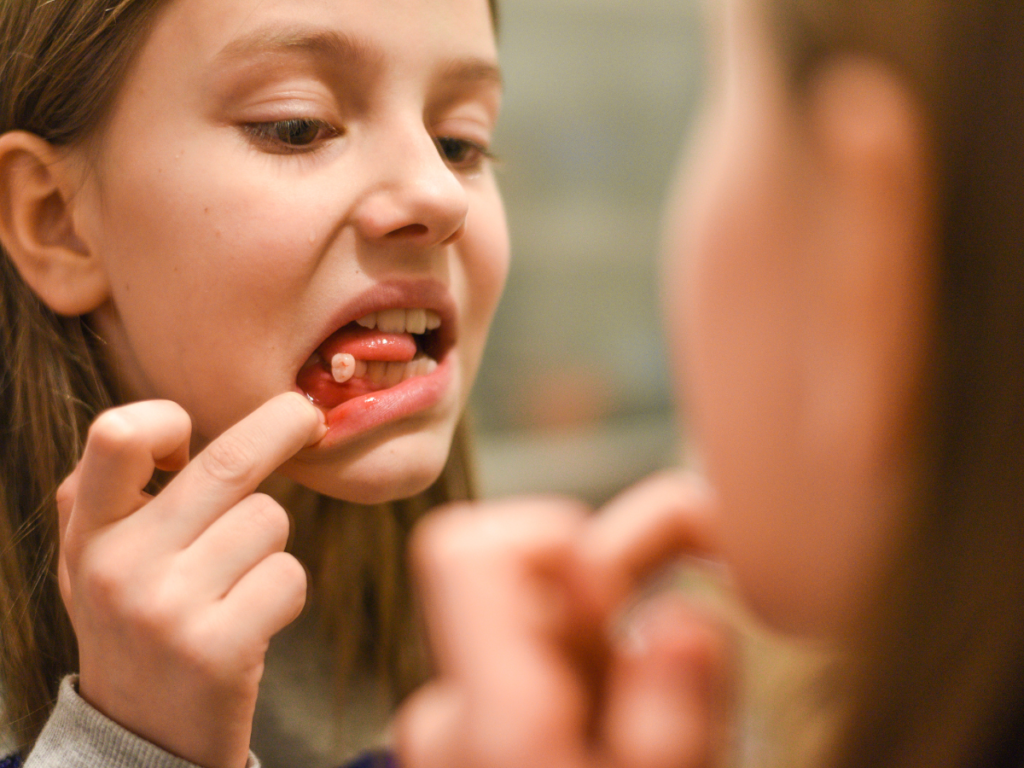
Discovering a loose tooth can be alarming—whether it’s an adult tooth suddenly feeling wobbly after years of solid service or a child’s baby tooth starting to wiggle. A loose tooth in adults is almost never “normal” and usually signals an underlying problem that needs attention. Ignoring it can lead to tooth loss, infection, shifting teeth, bite problems, or even bone loss in the jaw.
At Prime Hospital Panipat, our dentists and oral surgeons treat loose teeth almost daily. The good news is that many cases can be stabilized or saved if addressed early. In this detailed guide, we’ll cover everything you need to know about how to fix a loose tooth—from understanding why it happens and what you can safely do at home to professional treatments available in India (especially in Haryana), costs in 2026, and when emergency care is required.
How to Fix a Loose Tooth: First Steps You Can Take at Home (Temporary Stabilization)
While you cannot permanently fix most loose adult teeth at home, you can reduce further damage, relieve discomfort, and buy time until you see a dentist.
Immediate Actions (First 24–48 Hours)
- Avoid chewing on that side — Use the opposite side of your mouth for eating.
- Switch to soft foods—soups, yogurt, mashed potatoes, smoothies, dal, khichdi, curd rice, bananas, boiled eggs—anything that requires minimal biting force.
- Rinse gently with warm saltwater—mix ½ teaspoon salt in a glass of warm water. Rinse 3–4 times daily to reduce inflammation and keep the area clean.
- Apply a cold compress — If there’s swelling or pain, place an ice pack wrapped in cloth on the cheek for 10–15 minutes every hour.
- Take over-the-counter pain relief — Paracetamol (Crocin) or ibuprofen (Brufen) for discomfort (follow dosage instructions).
- Avoid smoking, tobacco, alcohol, and very hot/spicy foods—these irritate the gums and delay healing.
- Do NOT wiggle or push the tooth — This can worsen mobility and damage supporting ligaments.
Temporary Splinting at Home (Only in Emergencies)
If the tooth is very loose but still in place and you can’t reach a dentist immediately (e.g., late night, weekend, travel):
- Gently push the tooth back into its normal position (if it’s tilted).
- Use sugar-free chewing gum or dental wax (available at pharmacies) to hold it lightly against neighboring teeth.
- This is temporary stabilization only—not a fix. See a dentist within 24 hours.
Why Is Your Tooth Loose? Common Causes in Adults
Understanding the cause helps determine how to fix a loose tooth effectively.
- Periodontal (Gum) Disease — Most common reason (gum disease destroys bone and ligaments supporting the tooth).
- Trauma or Injury — Accident, sports injury, fall, blow to the face, or biting something hard.
- Teeth Grinding (Bruxism) — Nighttime clenching wears down supporting structures.
- Occlusal Trauma — Bite misalignment puts excessive force on one tooth.
- Severe Tooth Decay — Infection reaches the root and bone.
- Hormonal Changes — Pregnancy, menopause (temporary loosening possible).
- Osteoporosis — Bone density loss affects jawbone.
- Certain Medications — Long-term steroids, some epilepsy drugs, or bisphosphonates.
- Cysts or Tumors — Rare, but can destroy bone support.
Professional Treatments: How Dentists Fix Loose Teeth in India
The approach depends on the cause, degree of mobility, and remaining bone support.
1. Scaling & Root Planing (Deep Cleaning)
- For gum disease-related looseness
- Removes plaque/tartar below gum line
- Cost: ₹2,000 – ₹8,000 per quadrant (full mouth ₹8,000–₹25,000)
- Often combined with antibiotics or medicated gels
2. Splinting (Stabilization)
- Bonds loose tooth to neighboring stable teeth using composite resin, fiber strips, or wire
- Temporary (6 weeks–few months) or permanent
- Cost: ₹3,000 – ₹12,000 per tooth
3. Occlusal Adjustment / Bite Correction
- Reshaping high spots or adding fillings to balance bite
- Cost: ₹1,500 – ₹6,000
4. Bone Grafting & Guided Tissue Regeneration
- For severe bone loss (advanced periodontitis)
- Cost: ₹20,000 – ₹80,000 per site
5. Flap Surgery (Periodontal Surgery)
- Lifts gums to clean deep pockets and reshape bone
- Cost: ₹15,000 – ₹50,000 per quadrant
6. Root Canal + Crown (if infection present)
- Saves tooth if pulp is involved
- Cost: ₹4,000 – ₹15,000 + crown ₹4,000 – ₹18,000
7. Extraction + Replacement
- If tooth cannot be saved
- Extraction: ₹1,000 – ₹5,000
- Replacement: Dental implant ₹25,000–₹60,000 per tooth (most common choice) Bridge: ₹15,000–₹40,000 Removable partial denture: ₹8,000–₹25,000
Average Costs in Haryana (Panipat, Rohtak, Hisar, Karnal – 2026)
- Basic scaling & splinting: ₹5,000 – ₹18,000
- Full mouth deep cleaning + splinting: ₹15,000 – ₹40,000
- Periodontal flap surgery (one quadrant): ₹18,000 – ₹45,000
- Dental implant (single tooth replacement): ₹28,000 – ₹65,000 (mid-range titanium implant)
- Corporate hospitals (Delhi NCR): 40–80% higher
When a Loose Tooth Is an Emergency
Seek immediate dental care (same day or next) if:
- Tooth is knocked out completely (avulsed) — Store in milk or under tongue, reach dentist within 30–60 minutes
- Severe pain + swelling + pus
- Tooth very mobile + bleeding gums
- Recent trauma (accident/fall)
- Fever + facial swelling (possible abscess)
Prevention: Keeping Your Teeth Firm for Life
- Brush twice daily with soft brush + fluoride toothpaste
- Floss or use interdental brushes daily
- Use antimicrobial mouthwash
- Get professional cleaning every 6 months
- Wear night guard if you grind teeth
- Eat calcium-rich diet, avoid excessive sugar
- Quit tobacco (smoking/chewing gutka massively worsens gum disease)
- Control diabetes, maintain healthy weight
Conclusion: Most Loose Teeth Can Be Stabilized or Saved – Act Early
How to fix a loose tooth depends on the cause, but the most important step is early intervention. Mild mobility from gum disease can often be reversed with deep cleaning and good home care. Moderate cases may need splinting or surgery. Severe cases may require extraction and replacement—but even then, modern implants give excellent long-term results.
Don’t wait for it to fall out or become painful. At Prime Hospital Panipat, our experienced dentists and periodontists offer thorough evaluation, digital X-rays, and personalized treatment plans—often saving teeth that patients thought were doomed.
If your tooth feels loose—even slightly—book an appointment today. The earlier we see you, the better the chances of keeping your natural smile intact.