

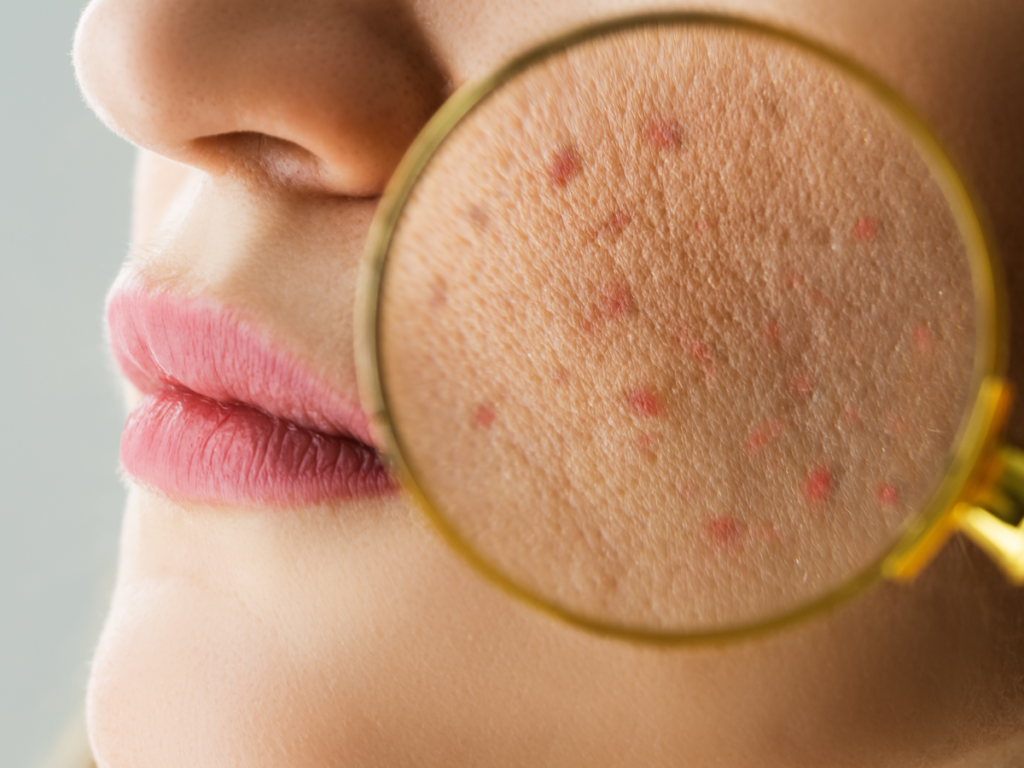
Have you ever noticed a small, soft, flesh-colored flap of skin hanging off your neck, under your arms, or in the groin area? That’s a skin tag—also called an acrochordon—and while it’s harmless, many people wonder why do skin tags form in the first place. These little growths are incredibly common, affecting up to 50–60% of adults at some point in life, and they often appear without warning. The truth is, they don’t form randomly; several well-understood factors contribute to their development.
At Prime Hospital Panipat, our dermatology team sees patients every day asking about these benign tags. They’re rarely a sign of anything serious, but understanding why they appear can help you manage them, prevent new ones, and know when to get them checked. In this detailed guide, we’ll cover the science behind skin tag formation, common triggers, risk factors, prevention strategies, safe removal options, and when to see a doctor—everything explained clearly and thoroughly.
Why Do Skin Tags Form? The Main Mechanisms Behind Their Development
Skin tags are soft, benign outgrowths made of loose collagen fibers, fat cells, blood vessels, and skin tissue. They typically grow on a thin stalk (peduncle) and measure 1–5 mm, though some can reach up to a centimeter or more.
The exact biological process isn’t fully understood, but the most widely accepted theory centers on chronic friction and mechanical irritation. Skin tags tend to develop in areas where skin rubs against skin, clothing, or jewelry over time. This repeated trauma stimulates the overgrowth of epidermal and dermal cells, leading to a small protrusion of tissue.
Here’s how it happens step by step:
- Friction as the primary trigger — Constant rubbing causes micro-trauma to the skin. In response, the body produces excess collagen and blood vessels in the area, which get trapped under the outer skin layer.
- Epidermal hyperplasia — The epidermis (top skin layer) thickens locally, forming a flap-like structure.
- Fibrovascular core — A stalk develops with loose connective tissue, fat, and tiny blood vessels supplying the tag.
- Hormonal and growth factor involvement — Elevated levels of insulin, insulin-like growth factor-1 (IGF-1), epidermal growth factor (EGF), and transforming growth factor-alpha (TGF-α) appear to promote this overgrowth. These factors are often higher in people with insulin resistance, obesity, or diabetes.
- Genetic predisposition — Somatic mutations in genes like HRAS, KRAS, PIK3CA, EGFR, or FGFR3 in the overlying epidermis may drive formation in some cases, particularly on the neck and armpits. These mutations lead to constitutive activation of growth pathways without UV damage (unlike in other skin lesions).
In short, why do skin tags form? It’s a combination of mechanical friction, metabolic changes, hormonal influences, and genetic factors that encourage localized skin cell proliferation. They’re not caused by viruses (like warts), poor hygiene, or cancer—they’re simply a benign response to chronic irritation and internal signals.
Common Locations and Why They Appear There
Skin tags almost always form in skin folds and friction-prone areas:
- Neck (especially the back and sides)
- Armpits (axillae)
- Groin and inner thighs
- Under the breasts
- Eyelids
- Upper chest or back
These spots experience constant rubbing—skin on skin, skin on clothing, or jewelry—making them ideal for tag development. People with loose skin (from weight loss, aging, or pregnancy) or those who are overweight are more prone because folds are deeper and friction is greater.
Major Risk Factors That Increase the Likelihood of Skin Tags
Several well-established factors raise your chances of developing skin tags. The more you have, the higher the risk.
1. Obesity and Excess Weight The strongest link. Extra body fat creates more skin folds, increasing friction. Central obesity (belly fat) also correlates with insulin resistance, which promotes tag growth. Studies show obese individuals have significantly more tags than those at healthy weight.
2. Insulin Resistance and Metabolic Syndrome High insulin and IGF-1 levels stimulate skin cell growth. People with type 2 diabetes, prediabetes, or metabolic syndrome (high blood pressure, abnormal lipids, abdominal obesity) often have multiple tags. Some research calls skin tags a “cutaneous marker” for these conditions.
3. Age Prevalence increases with age as skin loses elasticity and collagen. Tags are rare in children but common after 40–50, peaking in middle age.
4. Hormonal Changes Pregnancy (elevated estrogen/progesterone), PCOS, and acromegaly (excess growth hormone) trigger tags. They often appear or increase during these periods and may regress after.
5. Genetics and Family History If parents or siblings have tags, you’re more likely to develop them. Certain genetic mutations in growth pathways may play a role.
6. Friction from Clothing, Jewelry, or Skin Folds Tight collars, bras, belts, or loose skin after weight loss create chronic irritation.
7. Other Associations
- HPV (some studies hint at low-risk types in genital tags).
- Poor circulation or chronic inflammation.
- High triglycerides or low HDL cholesterol.
Not everyone with these risk factors gets tags, and some people with none do—it’s multifactorial.
Prevalence: How Common Are Skin Tags in India and Worldwide?
Skin tags are one of the most frequent benign skin growths. Global estimates suggest 46–60% of adults develop at least one by middle age. In India, hospital-based studies report prevalence around 25 per 1,000 outpatient cases, though community rates are likely higher. Rural and urban populations in Haryana, Delhi NCR, and elsewhere see them commonly, especially with rising obesity and diabetes rates.
Women and men are equally affected, though pregnancy increases numbers temporarily in women.
Symptoms: What Skin Tags Feel Like and When They’re Noticeable
Most skin tags cause no symptoms at all. They’re soft, painless, and flesh-colored (sometimes darker). You might notice them when:
- They catch on clothing, jewelry, or razors.
- They get irritated, red, or inflamed (especially in folds).
- They bleed if twisted or snagged.
- They grow larger (rarely painful unless infected).
If a tag becomes painful, changes color, grows rapidly, or bleeds spontaneously—see a doctor to rule out other lesions.
Prevention: Can You Stop Skin Tags from Forming?
No guaranteed prevention, but you can lower risk:
- Maintain healthy weight through diet and exercise.
- Manage blood sugar and insulin levels (regular check-ups if diabetic/prediabetic).
- Wear loose clothing to reduce friction.
- Use moisturizers to improve skin elasticity.
- Avoid tight jewelry in prone areas.
Healthy lifestyle choices address the biggest modifiable risks—obesity and metabolic issues.
Treatment and Removal Options: When and How to Get Rid of Them
Skin tags are harmless and don’t require treatment unless bothersome. Removal is cosmetic and not usually covered by insurance.
Safe professional options (done by dermatologists):
- Cryotherapy — Liquid nitrogen freezes the tag; it falls off in days (common and effective).
- Snip/excision — Scissors or scalpel cuts it off after numbing (quick, minimal scarring).
- Electrocautery — Heat burns off the tag (good for small ones).
- Ligation — Tie off base with thread; tag dies and drops.
- Laser — Precise removal with minimal bleeding.
Never attempt home removal (cutting, tying, freezing kits)—risks infection, bleeding, scarring, or misdiagnosis.
When to See a Doctor About Skin Tags
Consult a dermatologist if:
- Sudden increase in number.
- Rapid growth or color change.
- Pain, bleeding, or inflammation.
- Uncertainty it’s a tag (rule out warts, moles, or skin cancer).
- Cosmetic concern.
Most are benign, but evaluation ensures peace of mind.
Conclusion: Skin Tags Are Common and Manageable—Don’t Ignore Changes
Why do skin tags form? Primarily from chronic skin-on-skin friction, amplified by metabolic changes (insulin resistance, obesity), age, hormones, and genetics. They’re harmless, extremely common, and usually cosmetic concerns.
If tags bother you—catching on clothes, affecting confidence, or multiplying—safe professional removal is straightforward. At Prime Hospital Panipat, our dermatologists offer quick, comfortable options with minimal downtime.
Don’t stress over them, but stay vigilant for changes. Healthy weight, good skin care, and regular check-ups help keep them at bay. Reach out if you’re unsure—we’re here to help you feel confident in your skin.