

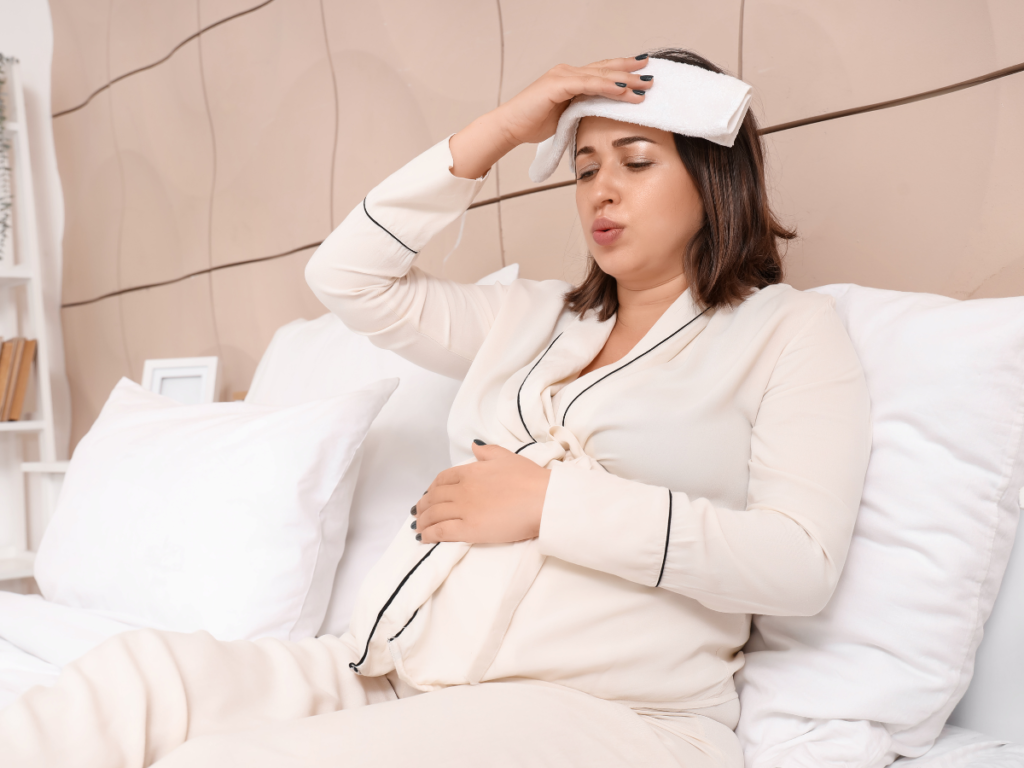
That mid-cycle wave of nausea can catch you off guard. You’re going about your day, and suddenly your stomach flips—like morning sickness, but you know you’re not pregnant. If you’ve ever wondered why ovulation feeling nauseous hits some women every month, you’re far from alone. Many people notice this subtle (or not-so-subtle) symptom around the time they ovulate, and it can feel confusing and uncomfortable.
At Prime Hospital Panipat, our gynecologists often hear patients describe exactly this: a queasy feeling right in the middle of their cycle. The good news? It’s usually completely normal and tied to the hormonal shifts your body goes through. Let’s break down why it happens, how to recognize it, and simple ways to feel better.
Why Does Ovulation Feeling Nauseous Happen?
Ovulation is like a mini hormonal rollercoaster. Around day 14 of a typical 28-day cycle, your body releases an egg from the ovary. This process triggers a sharp rise in luteinizing hormone (LH) and a surge in estrogen just before, followed by a quick jump in progesterone afterward.
These hormonal swings can affect your digestive system and brain in ways that spark nausea. Here’s how:
- Estrogen spike: High estrogen levels can slow stomach emptying and irritate the gastrointestinal tract.
- Progesterone rise: This hormone relaxes smooth muscles—including those in your stomach and intestines—which can lead to queasiness or bloating.
- Prostaglandins: When the follicle ruptures to release the egg, your body produces prostaglandins. These chemicals help the process along but can also cause cramping, mild fluid shifts, and nausea—similar to what some people feel during their period.
- Mittelschmerz (ovulation pain): Some women feel a sharp or dull ache on one side of the lower abdomen. That pain can sometimes trigger a nauseous response, especially if it’s intense.
Honestly, your body is doing a lot of work in a short window, so a little nausea isn’t surprising. It usually lasts just a few hours to a day or two around ovulation.
How Common Is Nausea During Ovulation?
It’s more common than you might think. While not every woman experiences it, many report mild to moderate nausea mid-cycle—especially those who are sensitive to hormonal changes. Women with PCOS, endometriosis, or a history of morning sickness in pregnancy often notice it more strongly.
Some also feel:
- Lightheadedness or dizziness.
- Bloating and food aversions.
- Breast tenderness or mood swings.
- Mild cramping on one side.
If you track your cycle (with apps or basal body temperature), you’ll likely see the nausea lines up with your fertile window or the day of ovulation.
### Ovulation Feeling Nauseous: How to Tell If It’s Normal
Most of the time, this nausea is short-lived and mild. You might feel queasy in the morning, after eating, or randomly during the day—but it passes quickly.
It’s probably normal if:
- It happens around mid-cycle (days 12–16).
- It lasts less than 48 hours.
- There’s no vomiting, severe pain, or fever.
- You have other ovulation signs like cervical mucus changes or a positive OPK (ovulation predictor kit).
When Nausea Might Point to Something Else
Occasional mid-cycle nausea is usually harmless, but see a doctor if:
- The nausea is severe or lasts several days.
- You have intense pelvic pain, heavy bleeding, or fever.
- Nausea happens at odd times in your cycle or persists.
- You’re trying to conceive and symptoms feel different than usual.
These could signal conditions like ovarian cysts, endometriosis, ectopic pregnancy (if sexually active), or even gastrointestinal issues coinciding with your cycle.
Simple Ways to Ease Ovulation Feeling Nauseous
You don’t have to just tough it out. Here are practical tips that help many women:
- Eat small, frequent meals: Bland foods like crackers, toast, bananas, or rice settle the stomach.
- Stay hydrated: Sip ginger tea, peppermint tea, or plain water slowly.
- Ginger or peppermint: Natural remedies that calm nausea—try ginger chews or peppermint oil on your wrists.
- Fresh air and rest: A short walk or lying down with a cool cloth can help.
- Over-the-counter help: Antacids or motion-sickness bands sometimes ease symptoms (check with your doctor first).
- Track and prepare: Once you know your pattern, you can plan lighter meals or rest around ovulation day.
Some women find relief with magnesium supplements or vitamin B6, but always talk to your gynecologist before starting anything new.
Lifestyle Tweaks for Smoother Cycles
Long-term, supporting your hormonal balance can reduce mid-cycle symptoms:
- Regular exercise and good sleep.
- A balanced diet low in processed foods and sugar.
- Stress management—yoga, meditation, or deep breathing.
Conclusion: Listen to Your Body—It’s Talking
Ovulation feeling nauseous is usually just your body’s way of signaling that everything is working as it should. Those hormonal shifts are powerful, and a little queasiness mid-cycle is a common side effect for many women.
But if the nausea feels overwhelming, disrupts your daily life, or comes with worrying symptoms, don’t hesitate to get it checked. At Prime Hospital Panipat, our experienced gynecology team is here to listen, evaluate your cycle, and offer personalized advice or treatment. Because understanding your body shouldn’t feel like guesswork.
You deserve to feel good throughout every phase of your cycle. Reach out today—we’re here to help.